
I've spent my career at the intersection of healthcare delivery and emerging technology—watching how even the best innovations still struggle to close the last mile between insight and impact.
We don't really have a data problem anymore—we have a continuity problem. Patients move across providers, devices, and payers, but their health story keeps getting fragmented.
The work being done through platforms like SolidHealth.AI is starting to change that—creating a connected fabric where information, context, and care actually move with the patient.
The real shift ahead isn't just digital transformation; it's care continuity powered by intelligence—designing systems that make care fluid, contextual, and human again.
That's the vital shift healthcare needs—from documenting illness to orchestrating wellness.
Theme: The Vital Shift – From Care Gaps to Care Continuity
Key Insights

The Real Barrier: Fragmented Incentives
The issue isn't data exchange; it's misaligned motivations.
Providers, payers, and platforms each optimize for different outcomes. Continuity breaks when incentives don't converge on sustained health outcomes.
The solution: design AI systems that enable shared accountability, not data silos.
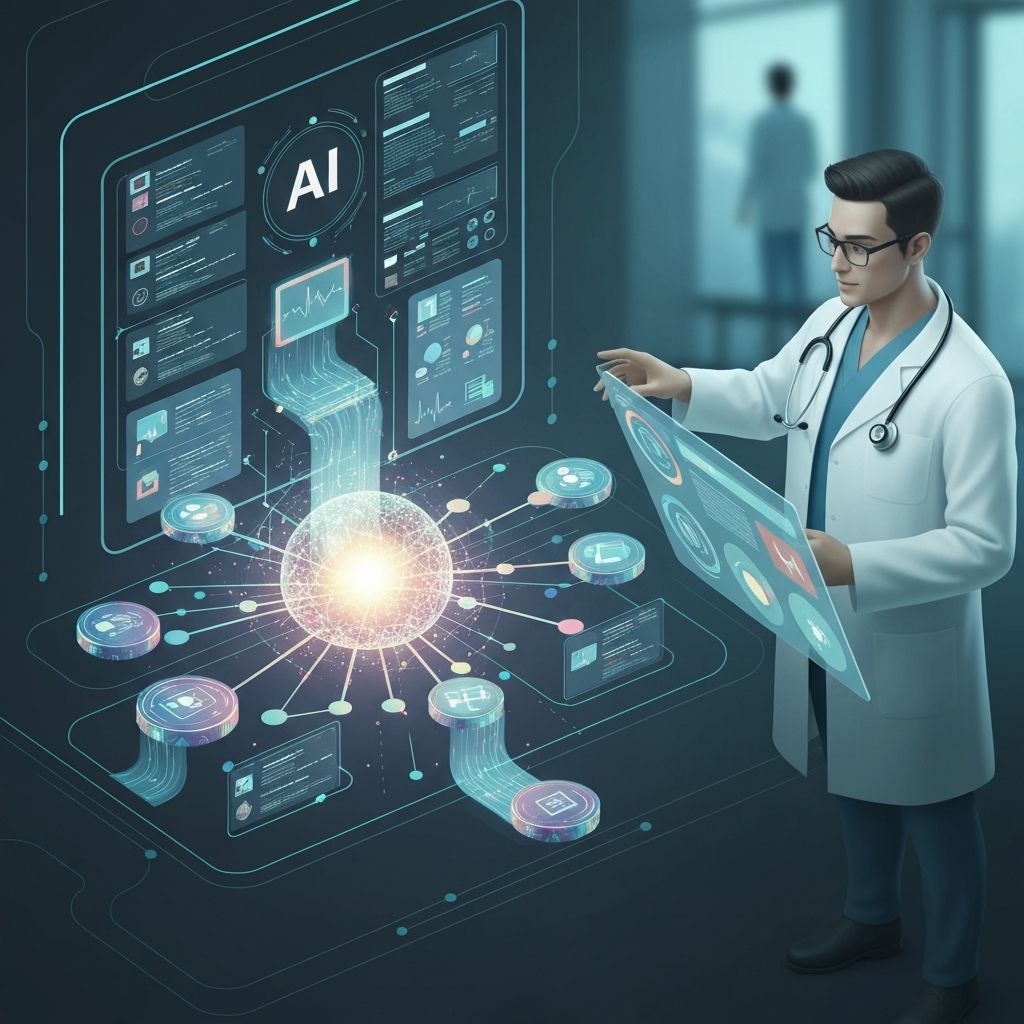
The Missing Layer: Contextual Intelligence
We're great at capturing data, poor at understanding it in context.
A skipped refill or a mood change isn't a data point—it's a clinical signal. The next generation of AI must interpret multi-modal cues—speech, wearables, emotion, environment—into actionable context for providers.
That's how we move from reactive intervention to anticipatory care.
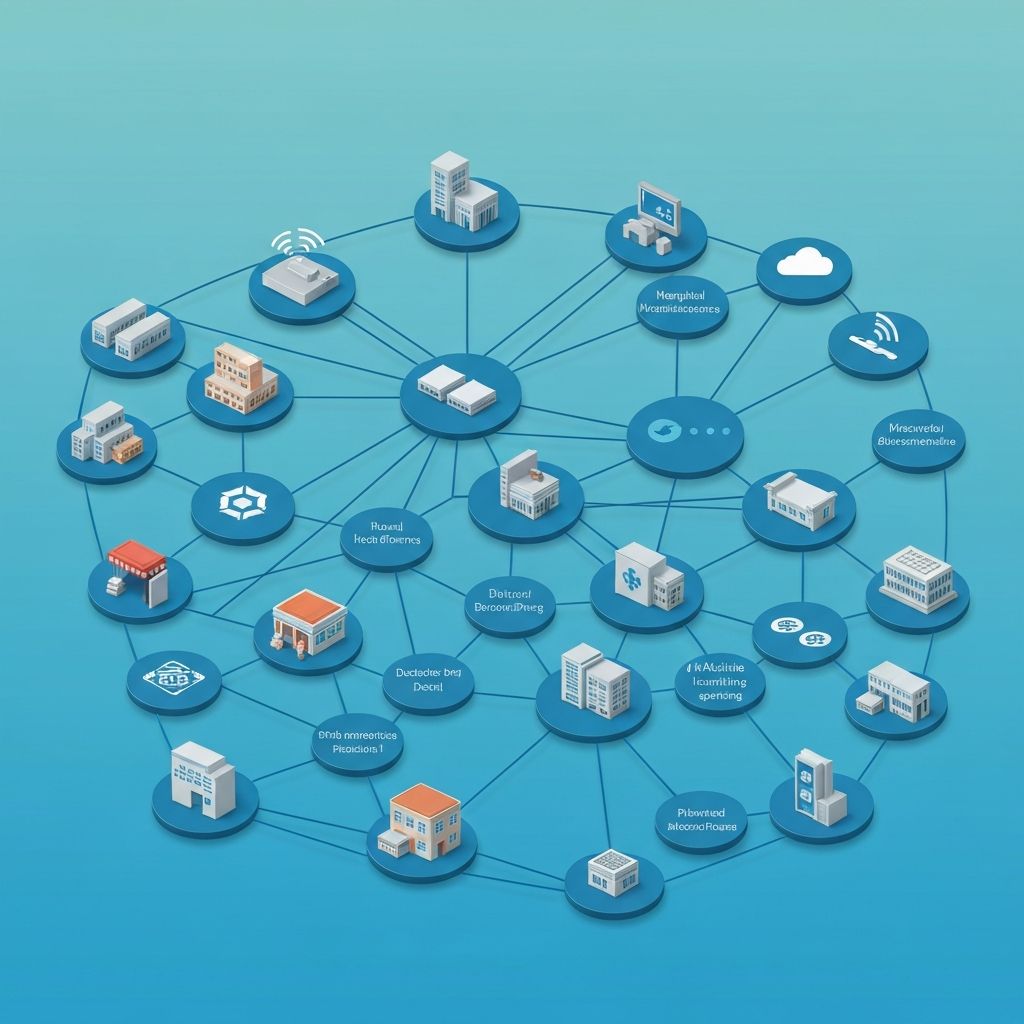
The Path Forward: Continuity as Infrastructure
Continuity shouldn't be a feature; it should be the backbone of care delivery.
Think of it as the health system's highway—connecting every point of interaction. Emerging platforms like SolidHealth.AI illustrate how this can work through unified care records, shared data pathways, and collaborative models that reduce friction.
This is the architecture of ecosystem care—care that follows the person, not the visit.
A New Approach
Why SolidHealth Is a Break from the Industry Playbook
Seven key innovations that distinguish SolidHealth from traditional healthcare platforms

Emotionally and behaviorally, they're solving a pain point nobody else solved:
"How am I doing today?"
No one gives the patient a simple, daily, emotionally relieving answer.
SolidHealth does:
A health score
Simple, clear metrics
A trend
Progress over time
A messenger conversation
Human connection
A daily narrative
Your health story
A sense of safety
Peace of mind
This solves loneliness, fear, uncertainty — the biggest "non-medical" driver of cost.
This is extraordinary differentiation.
Closing Remarks
The next revolution in healthcare won't come from a new molecule or gadget—it'll come from continuity.
When data, design, and delivery finally move in sync, care stops being episodic—and starts being human again.